
True apostolic leaders don’t ignore problems
True apostolic leaders don’t ignore problems in the name of unity, nor do they tear down movements in the name of purity. They discern, correct, strengthen, and align the Church according to Scripture and the nature of Christ (Ephesians 4:11–16).
For more than fifty-three years, I have served within the Charismatic Movement, functioning in various ministry and leadership roles for over five decades. For twenty-five of those years, I ministered cross-culturally among the nations—establishing churches, equipping marketplace leaders, and helping to form autonomous coalitions of apostolic leaders.
From a leadership perspective, the Charismatic Movement must be understood as global, diverse, and continually evolving.
While often labeled as a single movement, it is in fact a convergence of multiple streams, cultures, theological emphases, and leadership expressions. This diversity reflects the manifold grace of God—but it also demands mature discernment and responsible oversight (1 Corinthians 12:4–7; Titus 1:9).
Historically, every major move of God has produced both fruit and friction. The Charismatic Movement is no exception. Over time, I have witnessed healthy renewal, doctrinal imbalance, genuine spiritual power, and, at times, serious deviations from biblical order.
Scripture warns leaders that such tensions will arise and places responsibility on shepherds to guard doctrine and people alike (Acts 20:28–30; 2 Timothy 4:2–4).
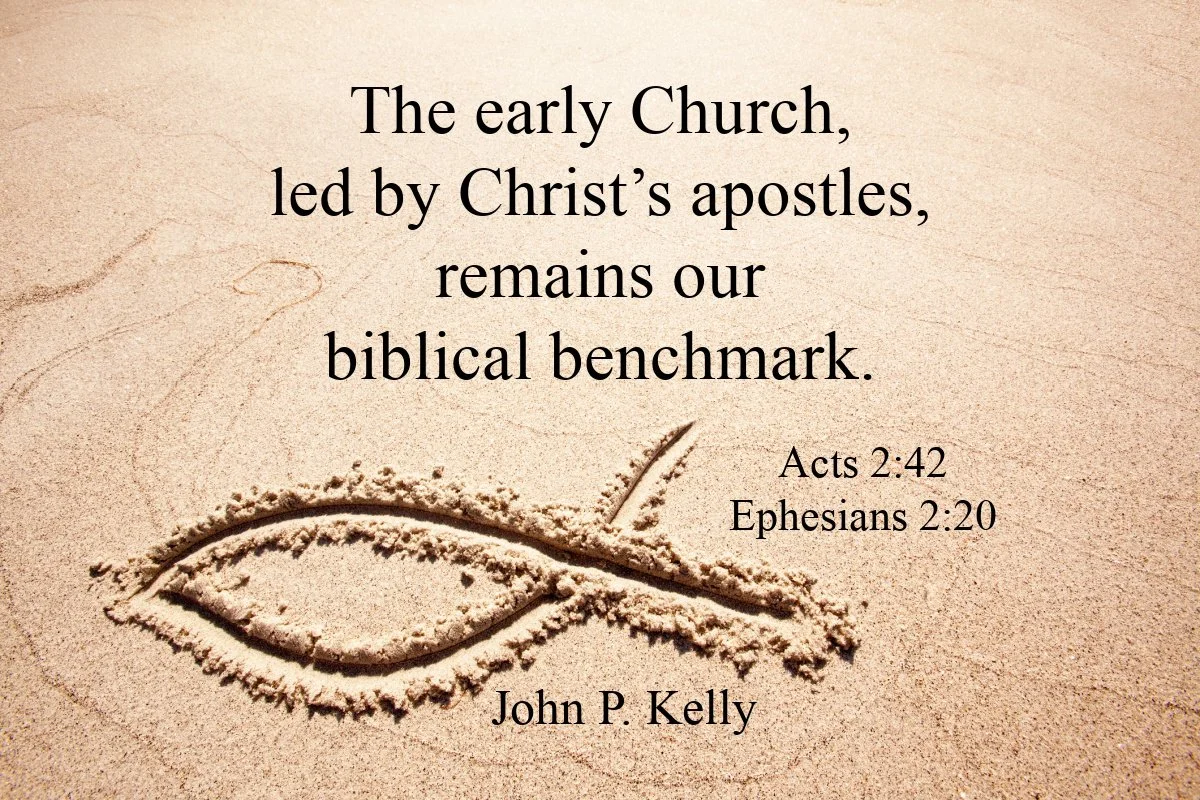
The early Church, led by Christ’s apostles, remains our biblical benchmark—not because it was flawless, but because it was foundationally sound, grounded in apostolic doctrine, Christ-centered authority, and Spirit-empowered mission (Acts 2:42; Ephesians 2:20).
Until the return of King Jesus and the consummation of His Bride, no movement will fully reflect that perfection (Ephesians 5:27; Revelation 19:7–8).
Leaders, therefore, must hold two truths simultaneously:
1. The Church is victorious in Christ (Matthew 16:18; 1 Corinthians 15:57).
2. The Church must be continually examined and refined (1 Peter 4:17; 1 Thessalonians 5:21).
Again, true apostolic leaders don’t ignore problems in the name of unity, nor do they tear down movements in the name of purity. They discern, correct, strengthen, and align the Church according to Scripture and the nature of Christ (Ephesians 4:11–16).
© 2026 John P. Kelly